
Table of Contents
Ethernet vs Wi-Fi is no longer just a setup choice. It affects how smooth games feel. It also changes how fast files download and how stable your connection feels day to day. Many people believe Wi-Fi is “fast enough,” while others still prefer Ethernet because it feels more reliable.
So the question is, is Ethernet faster than Wi-Fi? In most everyday internet speeds, yes, but speed is only part of the story.
The goal here is to keep things simple. You’ll be able to decide what works better for your home, work, or gaming without getting lost in technical details.
What Is Wi-Fi and How It Works
Wi-Fi is a wireless connection that connects devices to the internet using radio signals. A router sends data through the air to phones, laptops, tablets, and smart devices within range as part of a wireless network.
Over the years, Wi-Fi has improved a lot. Modern standards such as Wi-Fi 6 and Wi-Fi 6E are faster and more efficient than older versions.
However, Wi-Fi performance still depends on several other things. Things like distance from the router, walls, nearby networks, and how many devices are connected can slow it down.
Wi-Fi is popular because it offers flexibility. You can move freely, connect multiple devices easily, and avoid running cables across rooms.
What is Ethernet, and How Does it Work?
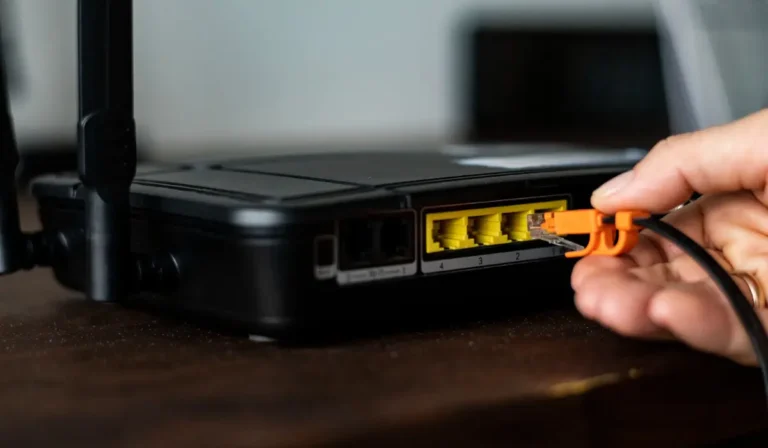
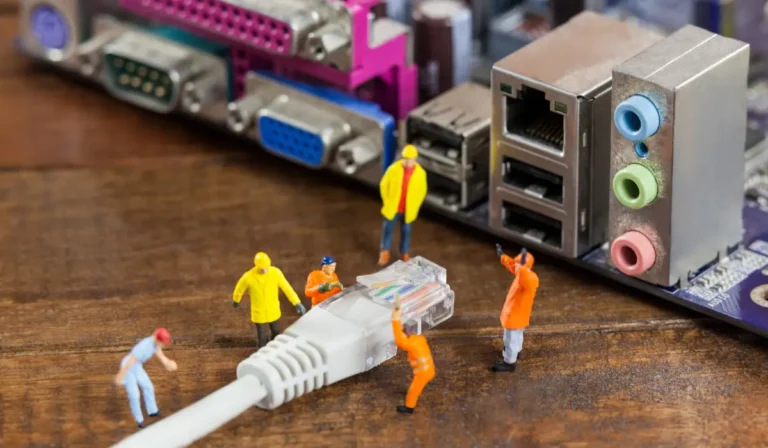
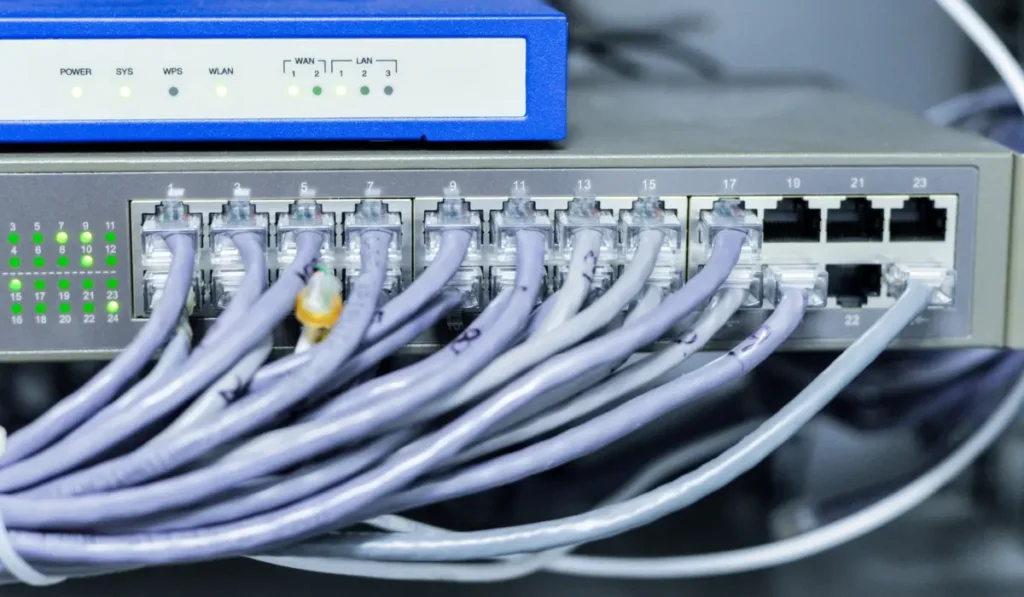
Ethernet connects your device to the router using a cable, creating a wired connection. Because the signal travels through a wire instead of the air, it is far less affected by interference or surroundings.
Ethernet cable connections are commonly used for desktop computers, gaming consoles, office systems, and smart TVs that require a stable connection. Once connected, the performance remains consistent, even during long sessions or heavy usage.
Unlike Wi-Fi, Ethernet focuses on stability and consistent connection quality over convenience. You can read a detailed guide on what an Ethernet cable is used for.
Ethernet vs Wi-Fi: Speed, Stability, and Performance
When comparing Ethernet and Wi-Fi, speed numbers alone do not tell the full story. While Wi-Fi can advertise very high speeds, results can vary.
Ethernet typically delivers:
- More consistent speeds
- Lower response time
- Fewer sudden drops
- Better performance during peak usage
Wi-Fi performance can change throughout the day depending on signal strength, obstacles, and network stability. Even small changes in the environment can affect results.
This is why Ethernet often feels “faster,” even when speed tests show similar numbers.
Real-World Speed Differences
In everyday use, the difference between Ethernet and Wi-Fi becomes noticeable during demanding tasks.
Activities that depend on steady speed, low latency, and stable connection tend to perform better on a wired connection, while wireless speeds may fluctuate based on network conditions.
Downloads and File Transfers
Ethernet is usually faster for large downloads and file transfers. Game updates, system files, and cloud backups finish more quickly because the speed limits remain stable from start to finish.
Wi-Fi can slow down during downloads if other devices are active or if the signal fluctuates due to interference or bandwidth limitations.
Streaming and Browsing
For basic browsing and HD streaming, Wi-Fi works well. However, when streaming 4K video or live content on a smart TV with an internet connection.
Ethernet provides smoother playback with fewer buffering issues and more stable streaming quality.
Gaming Performance: Ethernet or Wi-Fi?
For gaming, Ethernet has a clear advantage.
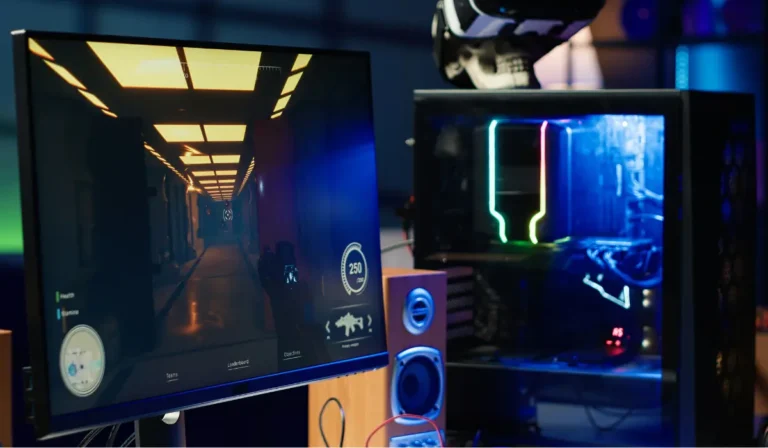
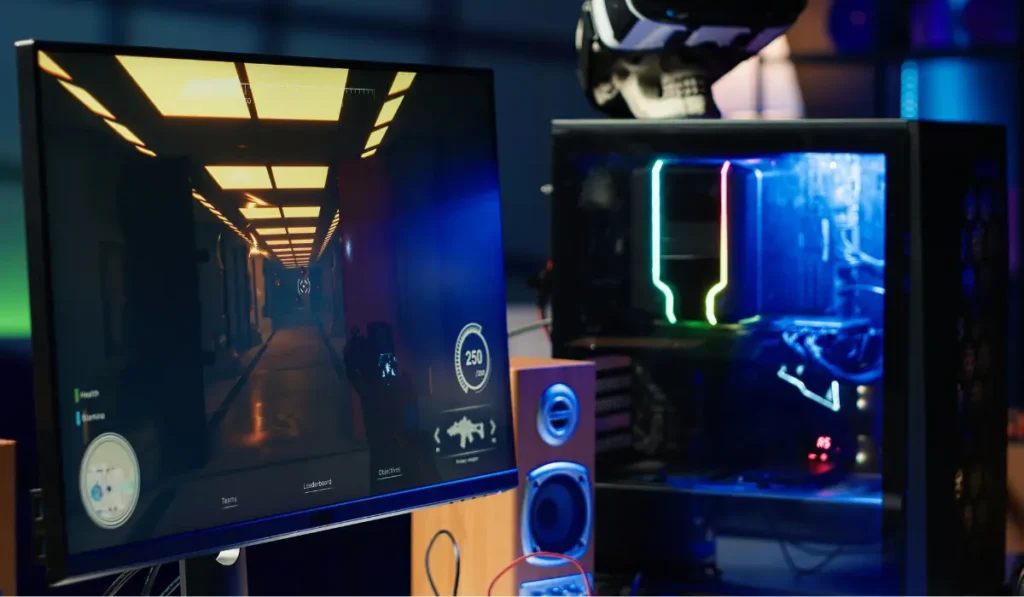
Online games depend on low latency, low ping, and stable connection quality. Ethernet reduces lag, minimizes data loss, and keeps ping times steady. This matters most in competitive gaming, where reaction time is critical
Wi-Fi gaming can work, but it is more prone to lag spikes, especially in busy networks or apartments with many nearby routers. For online gaming performance, Ethernet remains the safer choice.
Reliability and Connection Stability
Ethernet connections rarely drop unless a cable is damaged or unplugged. Wi-Fi, on the other hand, can disconnect due to interference, router placement, or crowded signals.
For work-from-home setups, video calls, or long streaming sessions, Ethernet provides better connection stability and peace of mind.
Security and Safety Comparison
Ethernet connections are generally more secure because physical access is required. Wi-Fi signals travel through the air, which makes them more exposed if security settings are weak, affecting security.
That said, modern Wi-Fi networks using strong encryption are safe for most households. Ethernet simply reduces risk by design through direct connection.
Cost Comparison: Wi-Fi vs Ethernet
Wi-Fi usually has lower upfront costs because routers already support it. Ethernet cables are inexpensive, but installation can become costly if wiring is complex in a home setup.
For casual users, Wi-Fi is cost-effective. For long-term performance and stability, Ethernet offers better value.
Can You Use Wi-Fi and Ethernet Together?
Yes, and many homes already do.
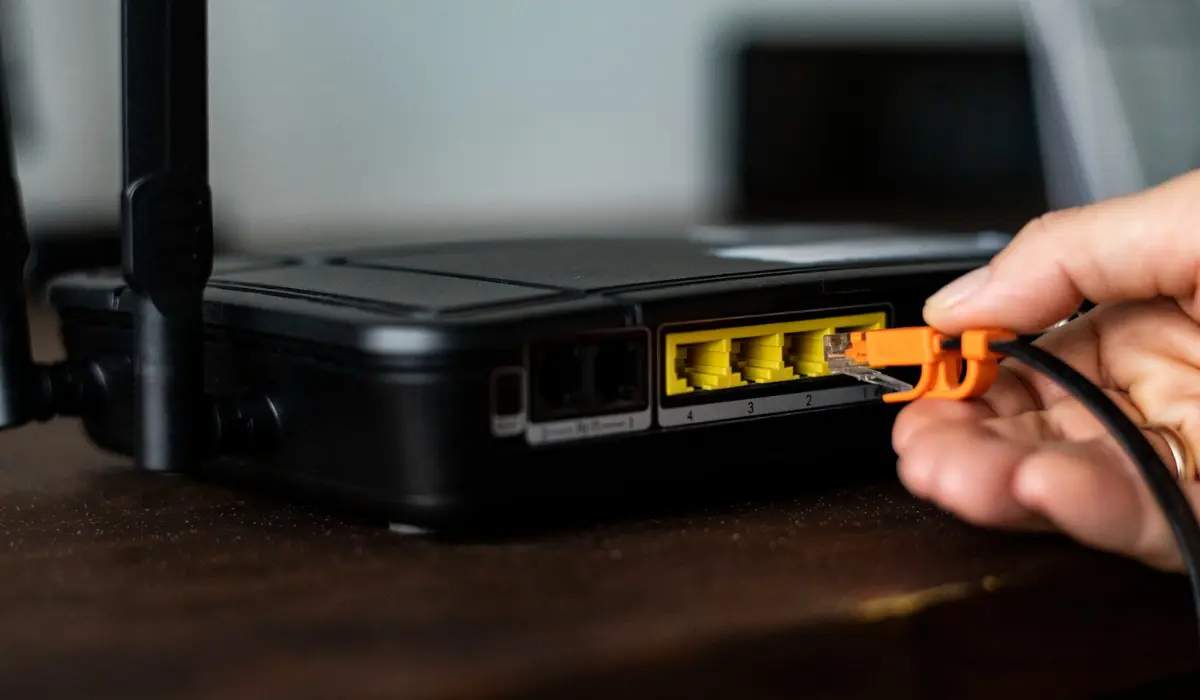
A common setup includes Ethernet for stationary devices like PCs and smart TVs, while Wi-Fi handles mobile devices. Routers are designed to manage both wired and wireless connections at the same time without issues.
Types of Ethernet Cables
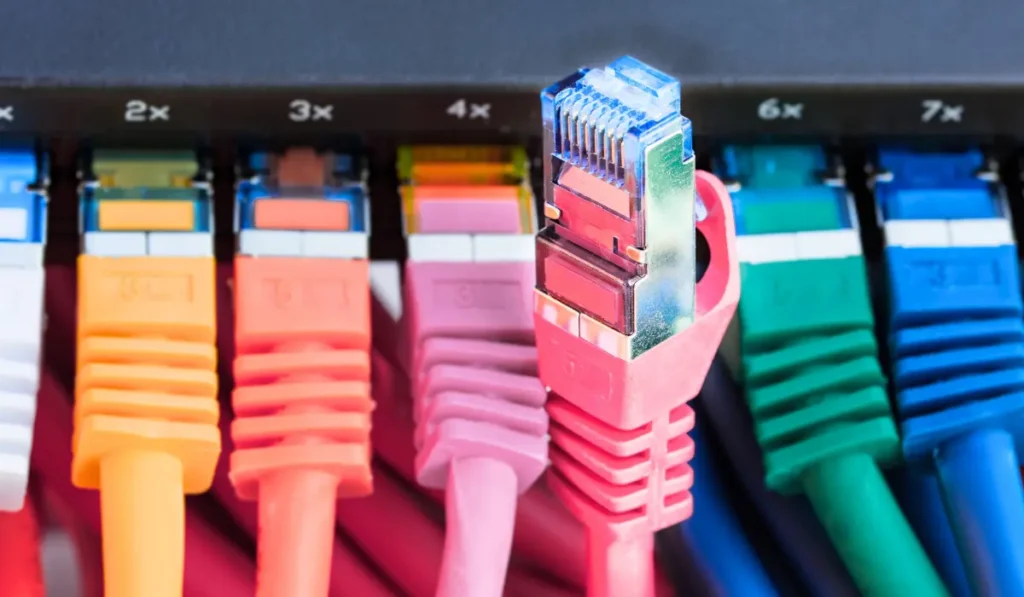
Ethernet cables come in different categories used for wired connections:
- Cat5e: Basic use
- Cat6: Faster speeds, better shielding
- Cat6a: Higher performance over longer distances
- Cat7/Cat8: Mostly for professional environments
For most users, Cat6 is the best option.
Smart TVs and Streaming Devices
Ethernet is often better for smart TVs, especially when streaming high-quality video. A wired connection helps prevent buffering, quality drops, and streaming interruptions during long viewing sessions.
When Wi-Fi Makes More Sense
Wi-Fi is ideal when:
- You need mobility
- Running cables is impractical
- Devices move frequently
- Internet use is casual
When Ethernet Is the Better Choice
Ethernet is the better option when:
- Gaming competitively
- Downloading large files
- Streaming 4K content
- Working remotely
- Stability matters more than convenience
Final Verdict
Yes, Ethernet is usually faster and more reliable than Wi-Fi, especially in everyday use.
Wi-Fi offers flexibility and ease, while Ethernet delivers performance and consistency.
The best setup often uses both, depending on the device, task, and wired or wireless connection choice.
Choosing the right connection is less about speed alone and more about how you use the internet every day.
FAQ’s
How much faster is Ethernet over Wi-Fi?
It depends on your setup, but Ethernet usually feels faster because it’s more stable. Speeds don’t jump wildly like Wi-Fi does, especially when other devices are connected.
Is Cat 8 overkill for home use?
Yes, for most homes it really is. Cat 8 is made for servers, not living rooms. In real life, Cat 6 or Cat 6a already does the job without wasting money.
What are the disadvantages of using Ethernet?
You’re stuck in one place. Cables limit movement, and running them through rooms isn’t always fun or clean. That’s why Wi-Fi still wins for phones and tablets.
Does using Ethernet increase the internet bill?
No, it doesn’t change your bill at all. Your internet speed and cost stay the same. Ethernet just gives you a more stable connection to what you already pay for.