
Table of Contents
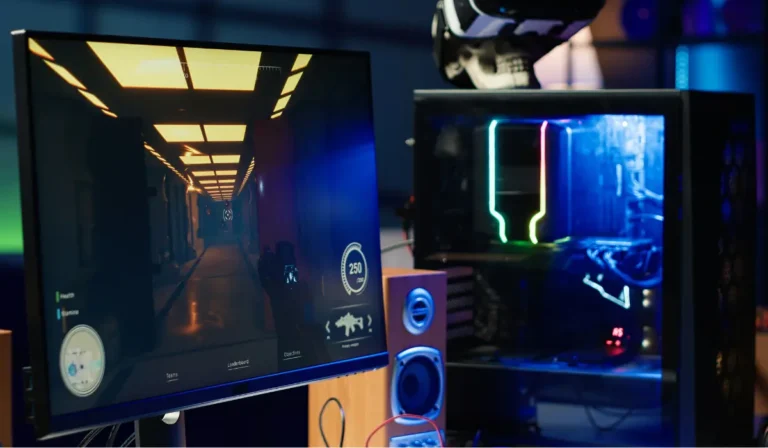
The 8K gaming runs at the ultra-high resolution of about 7680 × 4320, pushing far beyond the 4K in the visual detail, along with the hardware requirements.
Even the top-tier PCs can stress out at this level, which is why understanding how to optimize your gaming PC for 8K gaming performance is essential, as compared to depending on the raw power alone.
Accurate optimization assists in balancing the visuals, frame rates, along stability. It often requires tradeoffs such as decreased s or upscaling to massage the smooth gameplay.
What 8K Gaming Really Requires?
True gaming runs at the pixel count of 7680 × 4320. It means pushing over 30 million pixels each frame, four times more than the 4k and is 16 times more than the 1080p.
This huge jump in the pixels places higher pressure on the GPU, memory bandwidth, along the complete system throughput.
The advanced games are also built along the latest lighting, ray tracing, along higher-resolution assets. All of which strains the hardware.
Acquiring the effortless 8K gaming performance is not only about owning the strong parts. It also needs a balanced 8K resolution setup where the CPU, GPU, RAM, storage, along cooling all work great together.
You May Like This: How to Optimize Your Gaming PC for Ray Tracing?
Must-Have Hardware for Smooth 8K Gameplay
Some of the great choices are explained below, so you can choose the accurate one according to you:
GPU Selection and Why It Matters
At the 8K, the GPU does almost all of the heavy lifting. You will require a true flagship card for handling the huge pixel load.
Checklist (PC Build Advisor–style):
- NVIDIA RTX 4090 or the AMD RX 7900 XTX
- 24GB+ VRAM to manage the higher-resolution textures
- Support for the upscaling tech, such as DLSS (NVIDIA) or the FSR (AMD) for boosting the 8K gaming performance without even sacrificing the smoothness
CPU and System Balance
Even at the 8K, the CPU matters very much due to the fact that it feeds data to the GPU alongside managing the game logic.
Checklist (PC Build Advisor):
- Higher-end CPUs (the Ryzen 9 / the Intel Core i9 class)
- Powerful single-core performance to prevent bottlenecks
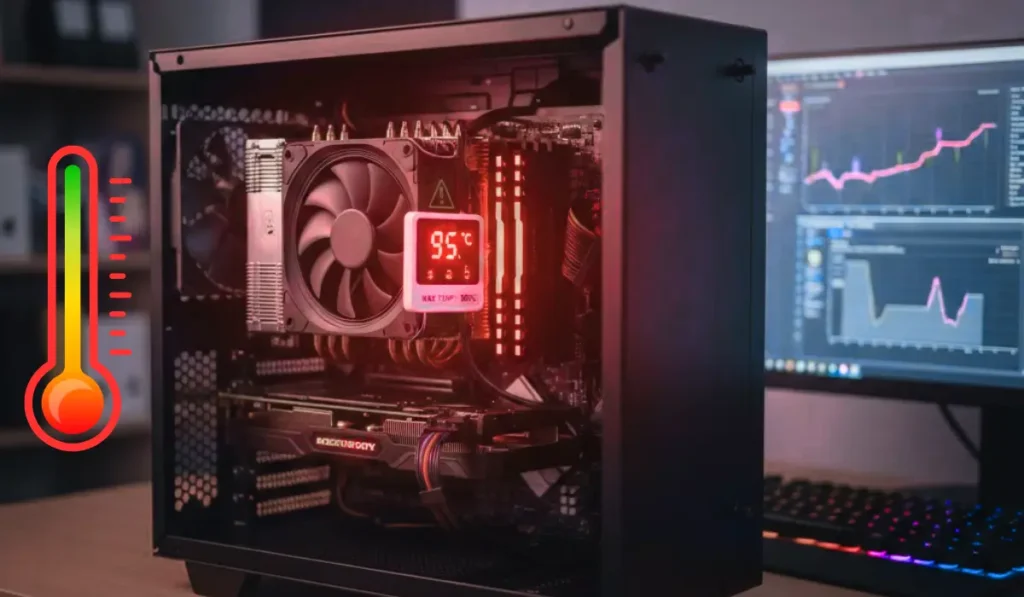
- Accurate cooling to sustain the boost clocks in the times of long sessions
RAM and Storage Needs
The memory and storage assist in preventing stutters, along with longer load times in advanced titles.
Checklist (ARCANENEWS.COM & PolyCode–style):
- 32GB or more DDR5 RAM for the advanced AAA games
- Fast NVMe SSD to decrease the texture pop-in, along with streaming delays
- Very much of free storage for the larger 8K-ready game files
Power & Cooling Requirements
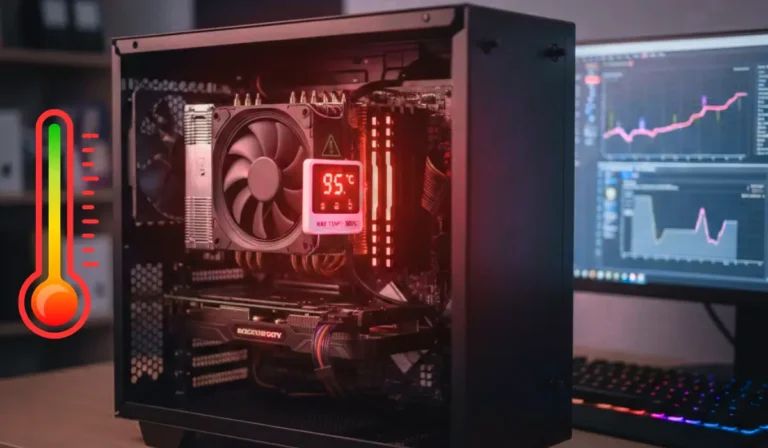
Higher-end 8K systems address the serious power issues, as well as generating a lot of heat.
Checklist:
- 1000W+ higher-quality PSU for stability
- Higher-end air cooling for simplicity and for also reliability
- Liquid cooling for the lower temperatures, along with quieter operation under the heavier loads
The balanced 8K resolution setup guarantees that all of the components work together, providing smoother gameplay instead of any of the wasted raw power.
You May Like This: How to Optimize Xbox Series X for Low-Latency Gaming?
Display and Interface Optimization
Selecting the accurate 8K monitor is very critical. As most of the recent models are restricted to 60Hz, this sets the practical cap on the smoothness.
Due to this, the stable frame delivery is a lot more essential than the extremely high FPS at 8K. The DisplayPort 1.4 can manage the 8K output utilizing the Display Stream Compression (DSC).
The DSC works great but relies on the support of a GPU. And it can add a little complexity. The HDMI 2.1 offers greater native bandwidth, assisting the 8K at 60Hz with less reliance on compression.
This results in more consistent signal quality in gaming. In the real gameplay, accurate bandwidth support directly affects the visual clarity, stability, along responsiveness.
System Software and Windows Tweaks
For smoother 8K gaming, configure Windows to utilize the higher performance power plan to prevent the CPU along GPU from throttling the heavier loads.
Permit the Game Mode, along with limiting the unnecessary background applications. Do this so the system guarantees that the resources remain focused on the game.
Day-to-day updating GPU, chipset, along system drivers is important. It is important as these updates often involve performance along with stability improvements.
In the BIOS, allowing the Resizable BAR can enhance how the GPU accesses game data, in the time of turning on XMP or EXPO guarantees that your RAM operates at its full rated speed for greater overall performance.
You May Like This: Best Gaming Keyboards for Every Budget – Buyer’s Guide
In-Game Settings for 8K Performance
While gaming at 8K, even the higher-end GPUs can stress out. So the smart in-game adjustments are very essential.
The texture quality can also be set to High instead of Ultra. For instance, in Cyberpunk 2077 or Hogwarts Legacy, this decreases the VRAM load along with the visual loss.
Shadows and the ray tracing are basic performance drains, as lowering or disabling them in Metro Exodus Enhanced or Control can boost FPS essentially.
Anti-aliasing is less crucial at the 8K due to the resolution itself smooths the edges. So, depending on the DLSS, FSR, or lighter AA options is further efficient.
Finally, the frame caps (such as 60 FPS for most 8K monitors) enhance the stability as well as decrease the stutter in games. So these include Red Dead Redemption 2 or Forza Horizon 5.
Decreasing these settings removes the unnecessary GPU strain, also closing the performance gap several competitors leave open while chasing the maximum visuals over the smoother gameplay.
Use of Upscaling & Frame Generation Technologies
For 8K gaming, upscaling alongside frame generation are essential tools to boost the FPS without even overloading the GPU.
The NVIDIA DLSS provides several modes, the Quality mode maintains most of the visual fidelity while giving a modest FPS boost. It does so in a time when the Performance or the Ultra Performance can essentially raise the frame rates in games.
These games include Cyberpunk 2077 or Hogwarts Legacy, though fine details might also appear slightly softer. AMD FSR operates on both AMD as well as NVIDIA GPUs.
Providing a simpler upscaling solution, along with a smaller performance gain, but broader compatibility. Utilize the DLSS when you require the maximum FPS on the NVIDIA hardware, along with minimal quality loss.
And also FSR when utilizing the non-NVIDIA cards or when DLSS is not supported. The real-world gains commonly range from 30 to 70% FPS enhancement, along with tradeoffs. These include minor softness, occasional artifacts, or decreased clarity in fine textures.
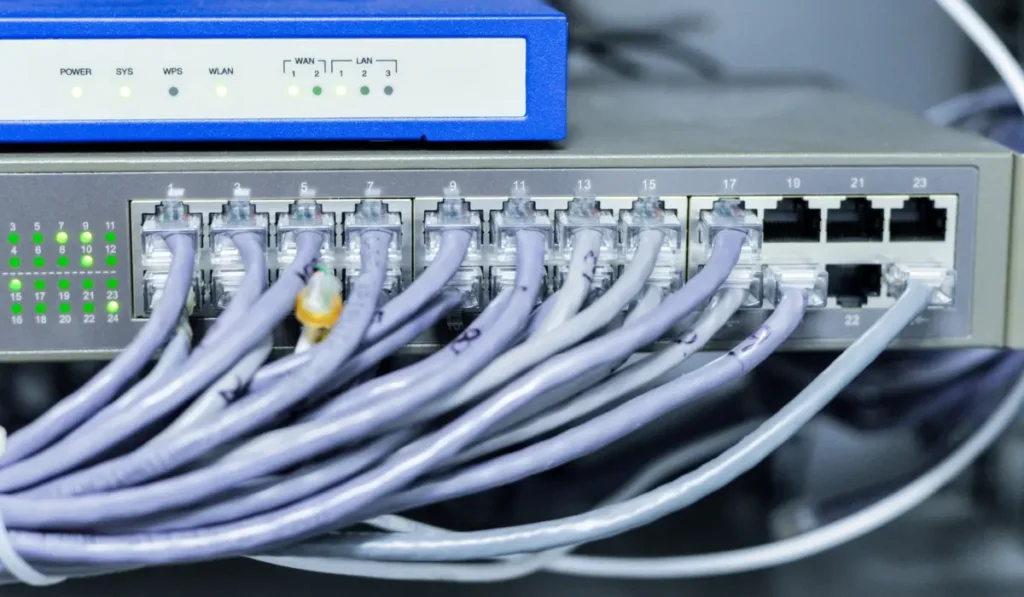
You May Like This: Best Ethernet Cable for Gaming and Streaming
Monitor and Cable Setup Best Practices
For 8K gaming, the accurate cables along with the monitor setup are crucial. The DisplayPort 1.4 can also manage the 8K at 60Hz utilizing the Display Stream Compression (DSC).
While the HDMI 2.1 offers higher native bandwidth. It also supports the 8K at 60Hz, along with lesser reliance on compression.
Utilizing the certified cables is important to manage the signal stability alongside preventing the flickering or dropped frames. Bandwidth restrictions directly impact both the image quality and the refresh rate.
Also, pushing beyond the capacity of the cable can decrease clarity or force the lower FPS. In practice, several 8K monitors are capped at 60Hz.
So valuing a stable signal along the minimal compression also matters more than chasing the higher refresh rates.
Common 8K Gaming Problems & Fixes
Stutter: Often results from the inconsistent frame pacing or the background tasks. Well, fix it by allowing the Game Mode, closing the unnecessary apps, along utilizing a frame cap to stabilize the FPS.
Texture Pop-In: It happens when the VRAM or the storage can not keep up with the higher-res assets. Utilizing the High rather than the Ultra textures. Allow the NVMe SSDs, alongside ensuring sufficient VRAM (24GB+), to decrease the load times.
Low FPS: It results from the GPU/CPU bottlenecks at 8K. Adjust the in-game settings, allow the DLSS or FSR. And also monitor temperatures to avoid throttling.
Crashing: It can stem from driver errors, overheating, or unstable system tweaks. Keep the drivers updated, and allow the proper cooling. And also verify the game files to prevent crashes.
Realistic 8K Gaming Expectations for 2026
Even along the top-tier hardware, the true 8K gaming still remains challenging in 2026. The games with the powerful upscaling support.
These include Cyberpunk 2077, Hogwarts Legacy, as well as Forza Horizon 5, which run further smoothly while utilizing the DLSS or FSR, often hitting the 50 to 60 FPS on high settings.
Titles along the heavy ray tracing or the ultra-dense assets, like the Microsoft Flight Simulator or Metro Exodus Enhanced, still stress out at 8K. Sometimes also drops below 30 FPS even on the flagship GPUs.
The realistic performance goals for several AAA games at the 8K are therefore 30 to 60 FPS, as it balances the visuals along with the playability.
Acknowledging all these expectations provides the gamers with a practical roadmap. And also something several new competitors overlook while promising “true 8K” without the context.
Is 8K Worth Optimizing For?
Optimizing for 8K gaming is a niche but also a rewarding pursuit. At 7680 × 4320, the visuals are very sharp. But most of the games struggle without the upscaling, frame generation, or the lowered settings.
Just the top-tier hardware, including flagship GPUs, high-end CPUs, 32GB+ RAM, as well as the NVMe SSDs, can provide playable performance.
For the competitive or fast-paced titles, 4K or the 1440p, along with DLSS/FSR, often gives smoother gameplay.
Although in the story-driven or single-player games, optimizing for the 8K can make stunning visuals along with an immersive experience.
Final Thoughts
The 8K gaming delivers the unmatched visual detail. But it also demands top-tier hardware, careful optimization, along upscaling support, making it great for enthusiasts who value image quality more than the frame rate.
For the casual or the performance-based gamers, the 4K remains a highly practical choice. 8K is very rewarding, but it needs realistic expectations. It also needs strong components, as well as careful system tuning, to enjoy it completely.
FAQ’s
Can my PC run 8K games smoothly?
Only the top-tier PCs can attempt the 8K. As most systems require extreme GPUs, CPUs, alongside still depend on upscaling for smoother gameplay.
Do I need DLSS or FSR for 8K?
Yes, the DLSS or the FSR is nearly mandatory. They boost performance dramatically in terms of keeping visuals near the native 8K quality levels playable.
Why does 8K gaming heat up my PC?
The 8K gaming highly raises the GPU workload along the power draw. And also generating further heat. It also stresses the cooling systems continuously in the time of intense sessions.
Is native 8K or upscaled better?
The upscaled 8K is good for several players. It offers smoother performance along with near-native image quality at very reasonable frame rates throughout today.